
Following significant enforcement of automatic renewal laws in 2025, enrollment and cancellation of continuity programs are expected to remain a top priority for regulators and legislators in 2026. While the Eighth Circuit’s vacating of the FTC’s recent Negative Option Rule brought great headlines, its impact was minimal given the continued legislative actions creating their own laws. For example, California, New York, Massachusetts and Connecticut all passed laws enhancing their existing automatic renewal requirements, fostering a hodge podge of compliance obligations. Even the FTC has now reopened its Negative Option rulemaking in response to a petition by the Consumer Federation of America, attempting to restart a potential creation of a federal standard.
On the enforcement side, the FTC continues to aggressively pursue actions against significant players including Amazon, Uber, and Instacart, scrutinizing their enrollment practices such as unclear terms and the implementation of difficult cancellation processes. State regulators are mirroring these efforts, both in joining FTC actions and initiating their own, signaling continued rigorous enforcement in the coming year. Indeed, a bipartisan coalition of 21 attorneys general recently joined the FTC lawsuit against Uber for “trapping” customers with a difficult to navigate and cumbersome cancellation process.
We expect that these trends will continue in 2026 and beyond. It is therefore important for companies engaged in automatic renewal or subscription services to continue to keep up to date with the changing state and federal requirements, including those related to consent, cancellation, and save offers.
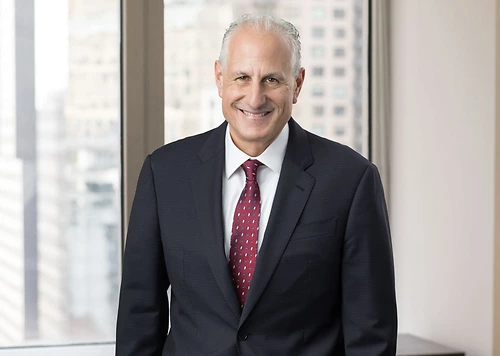 Partner
Marketers, advertisers, agencies and suppliers, among others, regularly seek Andy’s counsel regarding legal aspects of their advertising and promotional marketing businesses. He’s pragmatic and always looks for ...
 Associate
As a member of Olshan’s Brand Management and Protection Group, Morgan helps guide clients on all facets of brand management, including privacy, advertising and intellectual property optimization, enforcement and defense ...